
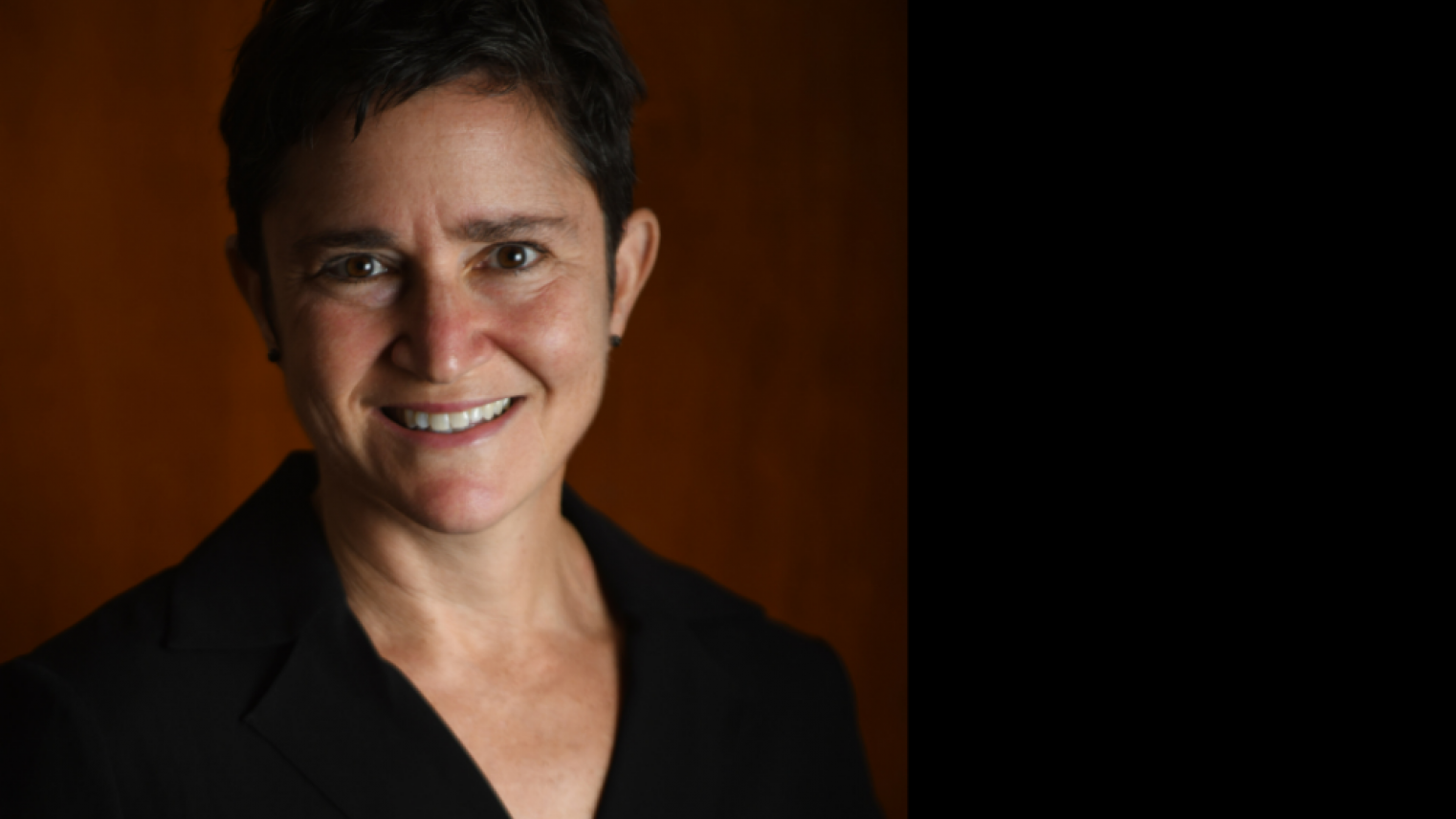
Meredith Weiss examines how activists across Southeast Asia adapt to democratic decline, using strategic hedging to navigate repression, manage uncertainty, and sustain collective action.
Protest movements across the globe face daunting prospects amid mounting illiberalism. How do activists adapt? Drawing on cases from across Southeast Asia, we argue that what distinguishes contention under democratic decline is both repression and uncertainty, following experience of relatively greater openness. In such contexts, activists adopt hedging strategies—sectoral, scalar, spatial, and epistemic—that help mitigate risk, preserve social capital, and sustain mobilization.
Speaker
Meredith Weiss is Professor of Political Science in the Rockefeller College of Public Affairs & Policy at the University at Albany, SUNY, and founding director of the SUNY/CUNY Southeast Asia Consortium. She specializes in comparative politics with a focus on Southeast Asia, particularly Malaysia and Singapore. Her research addresses issues including social mobilization and civil society, identity, parties and elections, liberalization and illiberalization, and governance. Her most recent book is Politics in a Pandemic: Governance and Crisis Management in Southeast Asia (Cambridge, 2025).
Additional information
Registration is not required for this event. If you require accessibility accommodations or a visitor Personal Emergency Evacuation Plan please email bell.marketing@anu.edu.au. Accessible parking spaces are available around campus should you require them.