
This study examines how local officials used coercive tactics in major Chinese investment projects over 15 years as Cambodia transitioned from competitive to hegemonic authoritarianism.
Between state and society: How Cambodia’s elected local officials respond to displacement for Chinese investment projects
This study examines how local officials implemented coercive tactics in large-scale Chinese investment projects over a 15-year period during which Cambodia transitioned from competitive authoritarianism to hegemonic authoritarianism.
Drawing on five months of fieldwork in three provinces and 82 interviews, the study shows that although central authorities increasingly relied on coercion to displace communities in order to facilitate investment projects, the intensity and characteristics of these measures varied considerably. Cambodia’s elected local officials responded differently to central directives: some complied, others resisted, and still others remained passive, resulting in significant variation in coercive outcomes across three large-sale Chinese investment projects: the Hengfu sugar plantation, the Lower Sesan 2 (LS2) hydropower dam, and the Dara Sakor entertainment and resort project.
About the speaker:
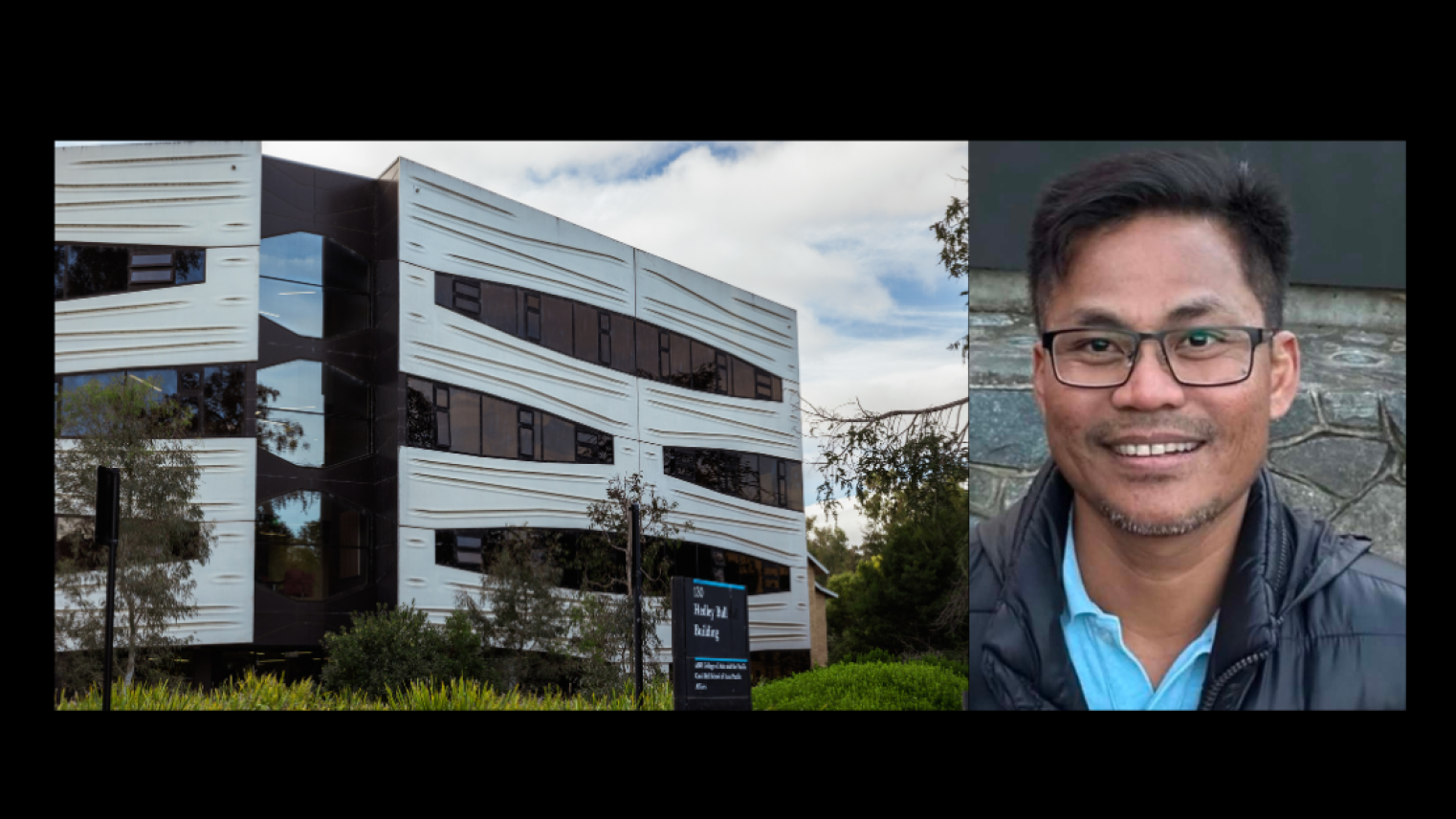
Len Ang is a PhD candidate in the Department of Political and Social Change at the Coral Bell School of Asia Pacific Affairs, Australian National University.
The seminar will be chaired by Professor Sango Mahanty from the Resources Environment and Development Program, at the ANU Crawford School of Public Policy.
The ANU Southeast Asia Institute Research Seminar Series is a recurring seminar series that showcases the work of scholars working on political, social, and cultural issues in Southeast Asia.
Contact the ANU Southeast Asia Institute Research Seminar Series Conveners: Nicholas Chan at waiyeap.chan@anu.edu.au.