

This panel explores how gendered labour mobility and political participation intersect in PNG, revealing how social norms, inequality, and violence shape women’s movement, agency, and leadership.
Papua New Guinea (PNG) faces complex gender dynamics that impact women's participation in both the formal labour force and in political leadership. Whether moving from rural villages to urban centres or pursuing international opportunities through schemes like the Pacific Engagement Visa, women, as well as men, face a complex web of barriers—entrenched gender roles, cultural expectations, and systemic inequalities. Labour mobility isn't just about economics; it's about who gets to move, who gets left behind, and who gets to decide. In a nation grappling with high rates of gender-based violence and chronic underrepresentation of women in governance, this panel explores the powerful intersection between gendered labour migration and political participation. How do mobility and politics reinforce—or resist—each other in shaping women’s agency in PNG?
Event Speakers
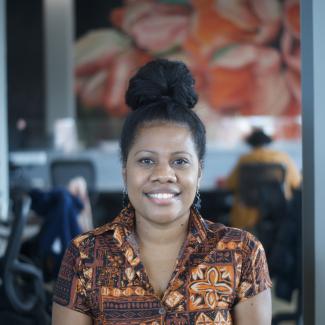
Mercy Masta
Dr Mercy Masta is a Research Fellow with the Department of Pacific Affairs at ANU. She currently works part-time as a GEDSI and Safeguards Specialist for the Australia Awards Women Leading and Influencing program and a Learning and Research Associate with Conciliation Resources Australia, a peace-building organisation that works in the Pacific and Southeast Asia.
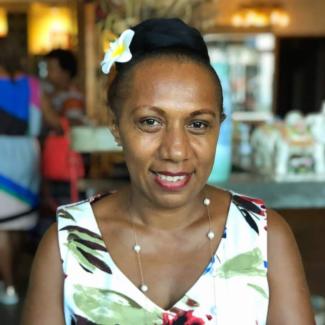
Geejay Milli
Geejay Milli is a PhD student at the Department of Pacific Affairs from Papua New Guinea. Her research focuses on Women’s political representation and participation in Bougainville, specifically on the constitution making process as Bougainville heads towards independence.
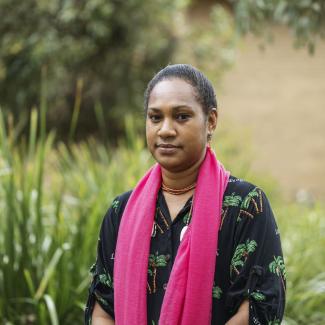
Natasha Turia
Natasha’s research examines the extent of Papua New Guinea’s decentralised recruitment practices in unlocking its labour mobility aspirations through participation in Pacific Australia Labour Mobility and Recognised Seasonal Employers schemes.