Finding Connection and Confidence: Pacific Visiting Fellows at DPA

Minetta

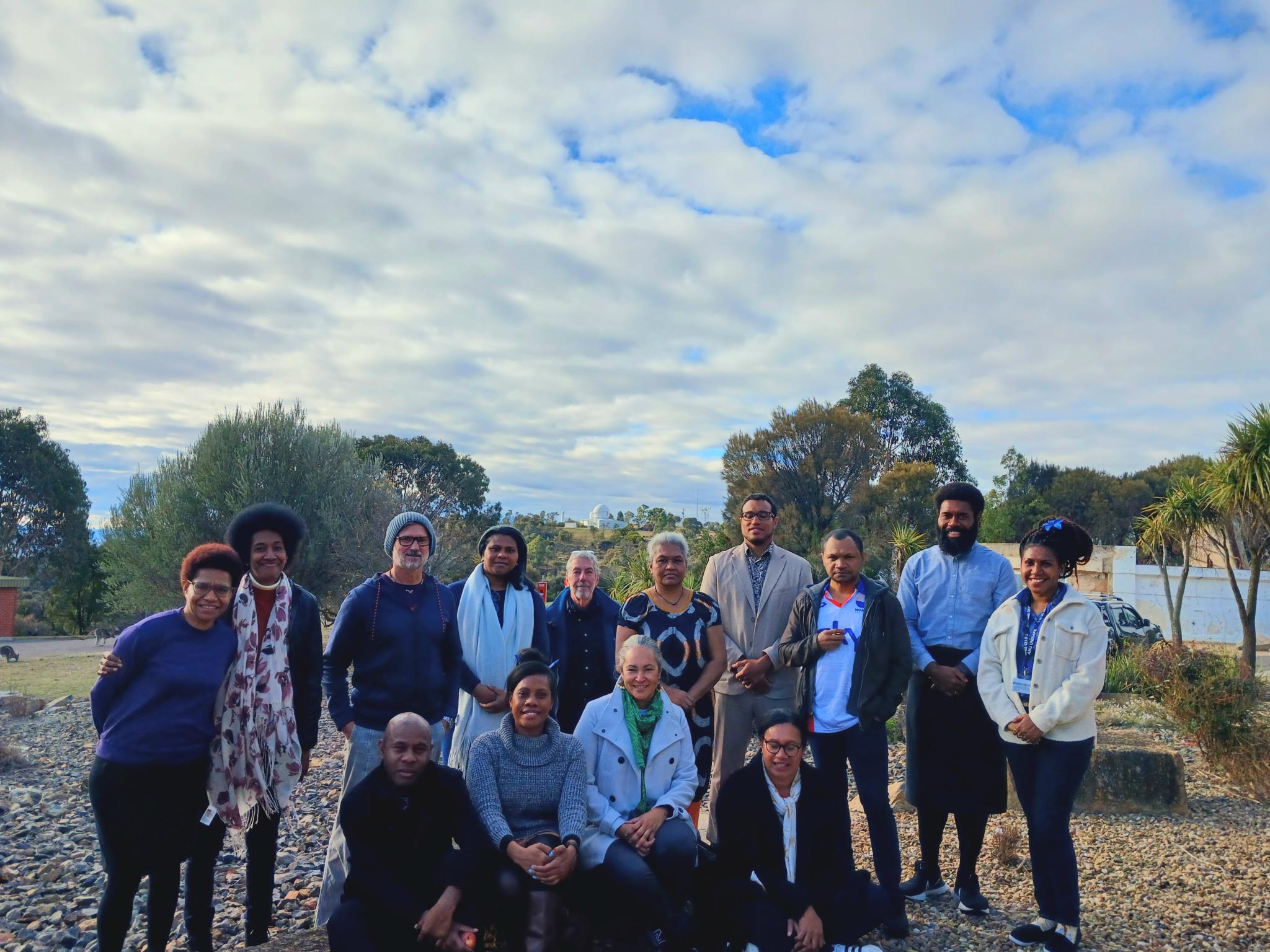
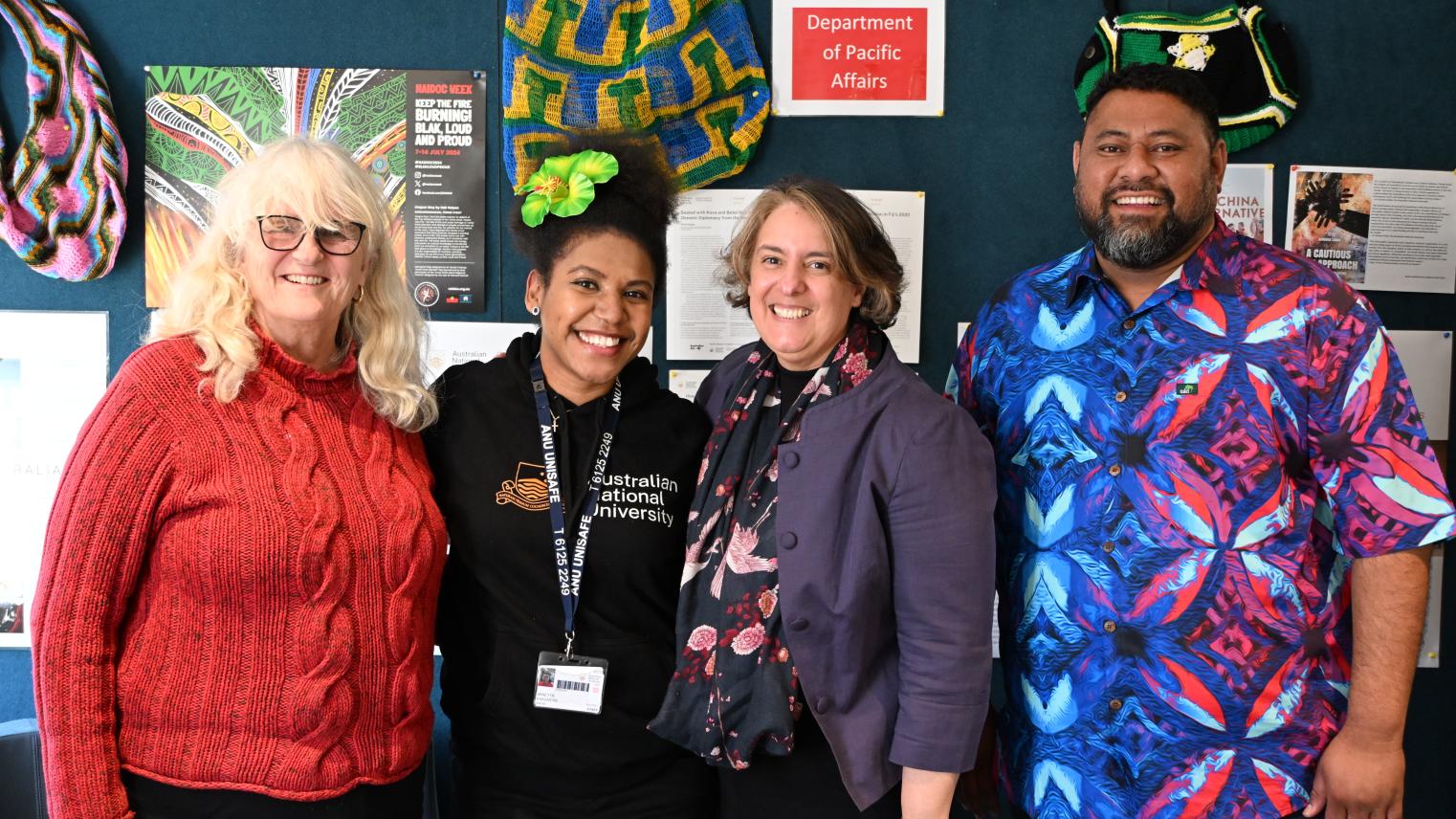
For early career researchers and scholars across the Pacific, the Department of Pacific Affairs (DPA) at The Australian National University offers more than a desk and a library card — it offers a place to grow, connect, and find one’s academic voice. Through the Pacific Visiting Fellowship program, each year scholars from the region spend time in Canberra immersed in research, reflection, and exchange. For two recent Fellows, Minetta Kakarere from Papua New Guinea and Clara Filippi from New Caledonia, their time at DPA was both professionally enriching and personally transformative.

For Minetta, a young lecturer and researcher, the motivation to apply was clear. “As a young early career researcher I saw this as an opportunity to improve my research and research writing skills,” she explained. “There is limited to no such avenues to help early career researchers in my home institution.” Her hopes for the Fellowship were practical and ambitious: to strengthen her academic writing, explore postgraduate research opportunities, and connect with potential supervisors at ANU. “I was hoping to work on my research skills and writing, which I am glad to have worked on, with my mentor,” she said.

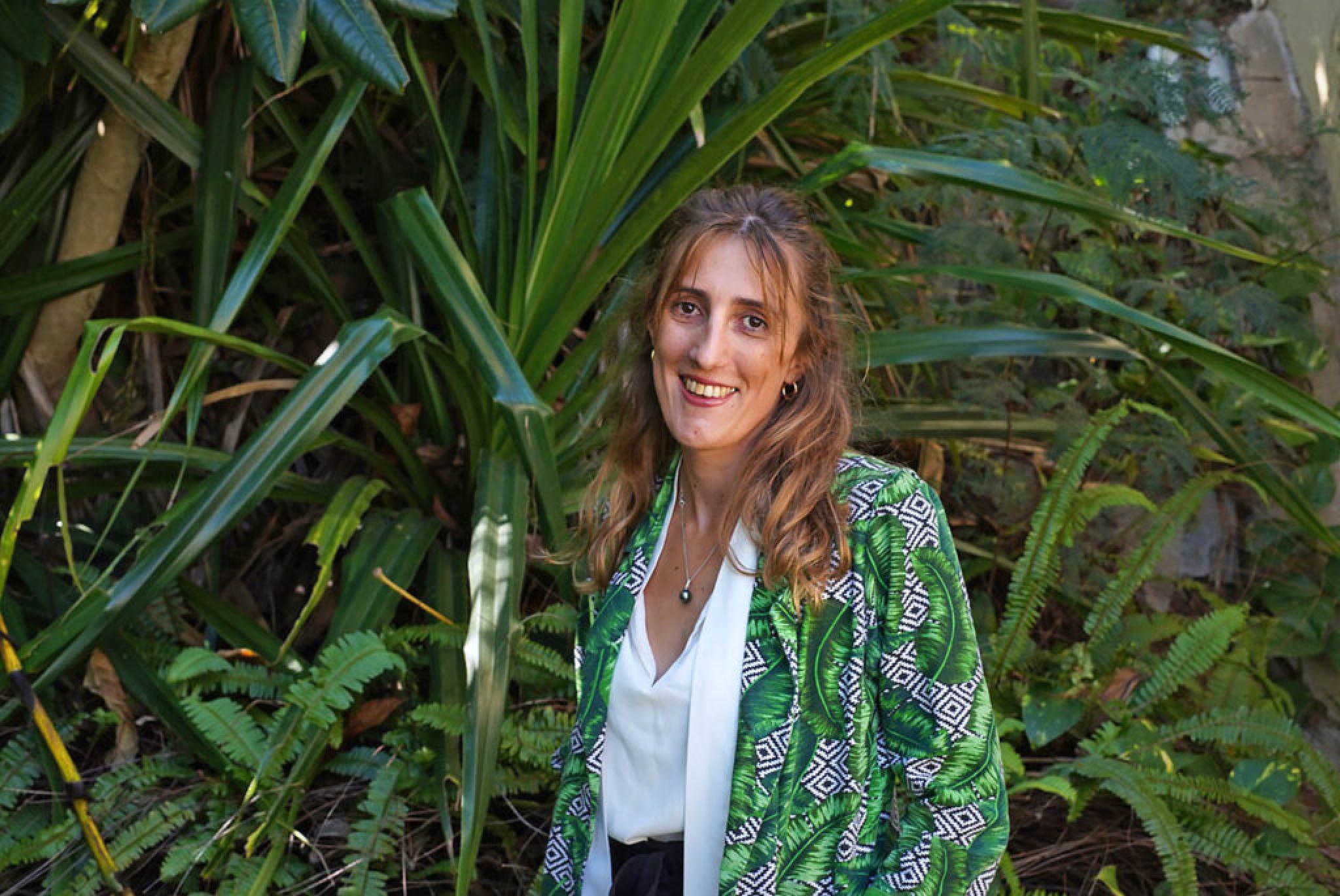
Clara’s path to DPA came from a different kind of search — one for intellectual refuge and reconnection. “I was motivated by the need to find an intellectually supportive environment to pursue research on a topic as sensitive as historical silences and memory in New Caledonia,” she said. “DPA offered a space where I could reconnect with a broader Pacific dynamic, engage in meaningful dialogue, and build links with other colleagues working on related questions across the region.” For her, the Fellowship was both “an academic refuge and a bridge toward collective reflection on memory, justice, and reconciliation in the Pacific.”
Minetta

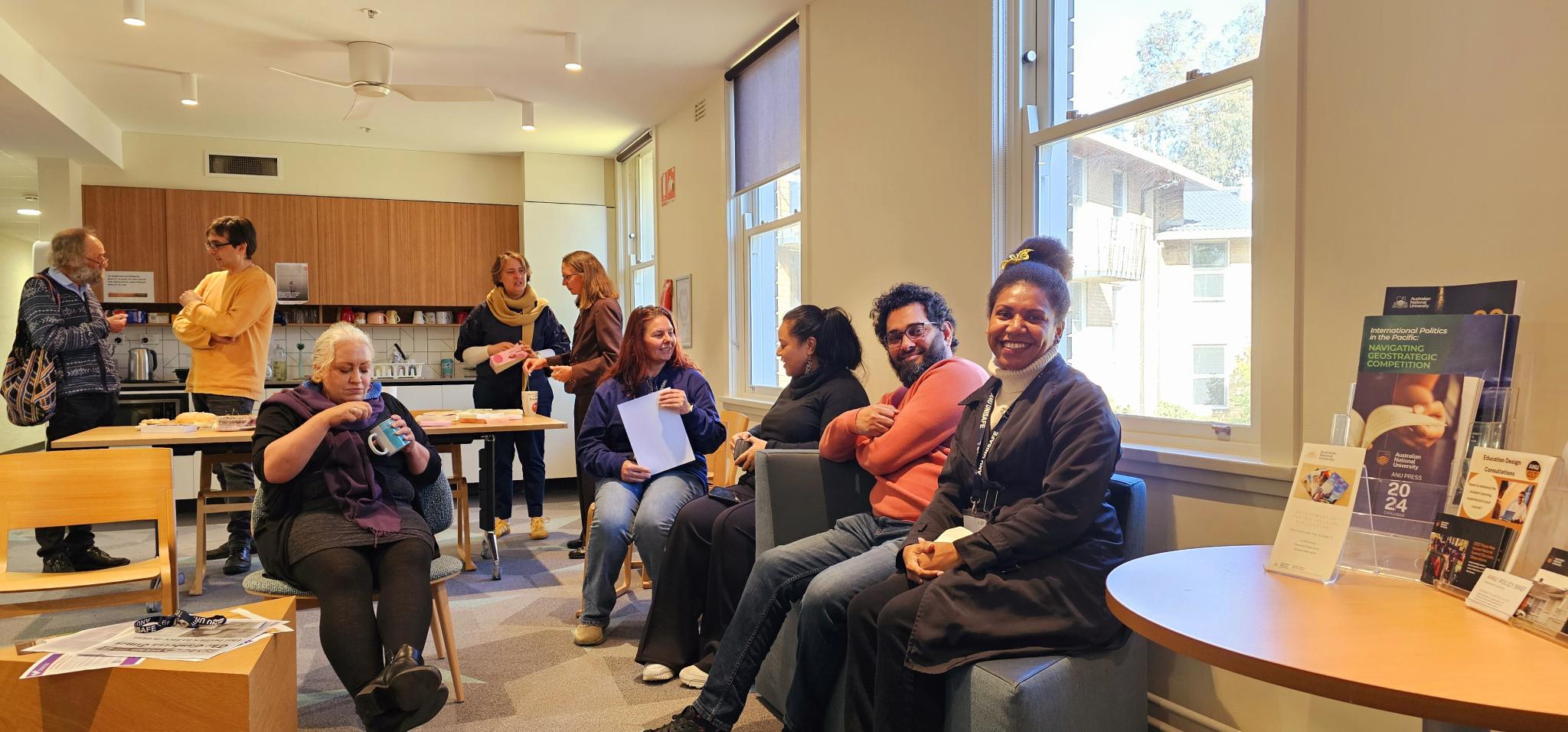
Once in Canberra, both scholars found the DPA community to be as generous as it was rigorous. For Minetta, the warmth and openness of colleagues were a welcome surprise. “Working with colleagues in the DPA was a truly rewarding experience,” she said. “Initially, I had assumed they would be quite serious, but I was pleasantly surprised to find that many were approachable, open, and had a great sense of humor.” Informal conversations — about research and beyond — helped her feel at home. “Spending time with HDR students proved to be highly beneficial,” she added. “They generously shared insights and practical advice on steps to take and areas to focus on should I choose to pursue a Ph.D. in the future.” Clara echoed that sense of belonging. “It was energising,” she said.

The DPA community is both intellectually rigorous and welcoming, which created a sense of belonging. I appreciated the balance between high-level scholarship and a grounded commitment to the region. It felt like joining a collective space where research is not just about theory but about real impact.

During their fellowships, both women experienced moments that left lasting impressions. For Minetta, presenting her research at the DPA seminar was a turning point. “I got constructive feedback from colleagues that gave me insights to do further research, as well as on how to publish my work on other publication avenues,” she recalled. Her time in Canberra also brought some lighter, unforgettable moments — like the night she found herself unexpectedly “chased by a kangaroo in the night when I was heading home.”

For Clara, the highlights were deeply tied to intellectual exchange and mutual respect. “The genuine interest and openness that DPA colleagues showed toward my research” made a lasting impression, she said. “In Nouméa, I had often faced institutional or academic resistance when addressing sensitive topics, so being welcomed, listened to, and encouraged at DPA was deeply meaningful.” Another memorable moment came during the 2024 State of the Pacific conference, where she presented her reflections on New Caledonia. “It was a powerful experience to share ideas within a regional conversation, and to feel part of a collective effort to think critically and constructively about the Pacific’s futures.”

Clara

Both Fellows found that their experiences at DPA opened new networks and directions for their research. “I got the chance to meet colleagues in DIR, who also had similar research interests,” said Minetta. “It gave me new ideas — to research and explore the area of climate change displacement and gender-based violence in Papua New Guinea.” She also discovered tangible ways to bring what she learned back to her university. “Having access to the ANU library and other academic publication platforms has been a significant advantage. It enables me to update course materials at my institution and provide essential readings to both students and other fellow colleagues.”

For Clara, her time at DPA became the foundation for lasting collaborations. “My time at DPA opened several meaningful opportunities for collaboration and long-term connection,” she said. She took part in workshops led by DPA and University of Melbourne researchers, leading to forthcoming co-authored publications. “Beyond these academic outcomes, the relationships I built during my Fellowship have remained strong. I even had the pleasure of reconnecting with DPA colleagues in Wellington during PIPSA, which reinforced that sense of an enduring and supportive Pacific network.”

Both Fellows also described how their time at DPA strengthened their sense of academic purpose. For Minetta, the experience deepened her commitment to research and higher study. “I have developed a strong interest in research and academic writing, which has inspired me to consider pursuing further studies at ANU,” she said. “Having already established valuable connections with a few staff members at ANU, I feel encouraged by the support and guidance offered by them.” Clara, too, found her confidence renewed. “It was the first time I experienced an environment where doors were open rather than closed, and where sensitive topics could be discussed with respect and curiosity instead of resistance,” she reflected. “This Visiting Fellowship helped me see that it is possible to find one’s place and pursue meaningful research when the environment is more open and the political weight is less heavy.”

Minetta

Both women believe that programs like the Pacific Visiting Fellowship are essential to strengthening research capacity and connection across the region. “It plays a vital role in equipping early career researchers with the tools and knowledge needed to disseminate their work effectively,” said Minetta. “Publishing on credible sites remains a significant challenge for many researchers in the Pacific region, and access to such support helps bridge that gap.” Clara agreed, adding that “they matter because they create spaces of dialogue, where Pacific scholars can connect, reflect, and amplify regional voices.”

These programs strengthen intellectual sovereignty in the Pacific by recognising that our histories, our memories, and our futures need to be thought about collectively, across borders.

Asked what advice they would give to future Fellows, both offered a similar message about openness and humility. “It is important to approach such a learning opportunity with an open and receptive mindset,” said Minetta. “In that way, one will be able to learn a lot. This mindset is key to growth, both academically and personally.” Clara added, “Come with an open mind and be ready to listen as much as to share. Take advantage of the diversity of perspectives within the DPA community, and don’t hesitate to bring your own lived experiences into the academic space. The richness lies in the dialogue.”

As their time in Canberra drew to a close, both scholars left with new friendships, new confidence, and a deeper sense of belonging to a Pacific-wide academic community. “It was an invaluable experience that I will forever hold in high regard,” said Minetta, “collaborating and networking with distinguished researchers and academics deeply engaged in Pacific issues.” For Clara, the experience was “a transformative pause that allowed me to regain confidence in myself, in my research, and—most importantly—in the relevance of my work for both New Caledonia and the wider Pacific region.”

Together, their journeys capture what the Pacific Visiting Fellowship represents at its best: a space for connection, reflection, and empowerment — and a reminder that when Pacific scholars come together, their voices not only enrich academia, but help shape the region’s shared future.

Attachments